All five guides to a Perth block
Stake 04 · Plants
Declared weeds in Western Australia
If a plant on your block is declared under Western Australia’s Biosecurity and Agriculture Management Act 2007, landholders, meaning owners and occupiers, and other people are obliged to control it on their properties. The Western Australian Organism List shows the areas in which each declared pest is declared and the control and keeping categories it has been given.
General information, not legal advice. The Department of Primary Industries and Regional Development (DPIRD) publishes the declared plants pages; the Department of Water and Environmental Regulation regulates the clearing of native vegetation.
What “declared” means
In Western Australia, a plant that is kept out of the state, or that carries requirements about controlling or keeping it, is known as a declared pest. The duty below attaches to plants declared under the Act, so the first question about any plant is whether it is one.
Once a plant is declared under the Act, the landholders where it grows (owners and occupiers) and other people must control it on their properties.
The duty is written in terms of the property: it names the owners and occupiers of the land, and other people as well, as the ones obliged to control the plant there.
The Western Australian Organism List
Whether a plant in your garden is declared is a question for the Western Australian Organism List, which DPIRD’s declared plants page links to. For each pest, the list records the areas in which it is declared and the control and keeping categories assigned to it in Western Australia. Because the list records where each pest is declared, look a plant up against the area your block is in.
An illustration. Say an unfamiliar plant has spread along the side fence of a Perth block. The first step is a name, then the Organism List entry for that name, read for the area the block is in. If the entry shows it is declared there, the duty to control it applies to the owner and occupier. If it turns out to be native vegetation, the clearing rules below come into it.
If you cannot tell what a plant is, DPIRD’s Pest and Disease Information Service can help with identification and advice. DPIRD’s page invites reports of suspected pests, because finding and reporting them early helps protect Western Australia’s industries.
When the plant is native, not a weed
Clearing a garden runs into a second set of rules when the plants are native. In Western Australia, clearing native vegetation is regulated mainly under the Environmental Protection Act 1986 and its subsidiary legislation, and the Department of Water and Environmental Regulation is the primary regulator for the Act’s clearing provisions.
A declared plant
The landholder and others must control it on their property, under the Biosecurity and Agriculture Management Act 2007.
Native vegetation
Clearing it needs a permit under the Environmental Protection Act 1986, unless an exemption applies or the department decided through a clearing referral that no permit was needed.
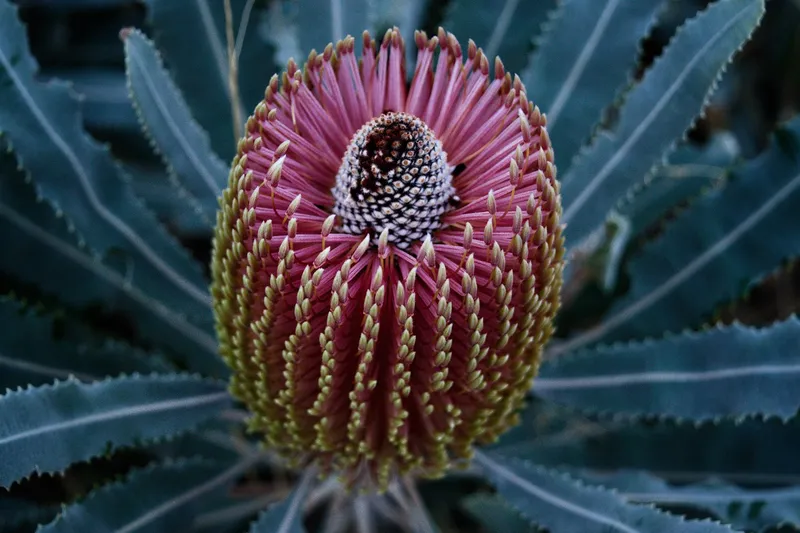
Before anything native is cleared
- Exemptions have limits. Some exemptions do not apply inside declared environmentally sensitive areas.
- The map. The Clearing Permit System map shows whether an area you want to clear is in an environmentally sensitive area, and a property interest report from Landgate, for a fee, gives the same information.
- Other laws. Even where clearing is exempt under the Environmental Protection Act, other state or federal requirements may still apply; the department’s guide to the exemptions and regulations covers them.
- The legislation. Part V of the Act holds the provisions that protect native vegetation while allowing approved clearing, supported by the Environmental Protection (Clearing of Native Vegetation) Regulations 2004.
The department takes reports of potentially unlawful clearing through an online form or its 24-hour Pollution Watch hotline, and its FAQs answer questions about permits.
Before someone clears the garden
When you hire someone to clear an overgrown garden, two questions from this page are worth settling before the work begins: which of the plants are declared, and whether any of them are native vegetation. The first is answered by the Organism List for your area; the second decides whether a clearing permit, an exemption or a referral comes into it.
- Will the plants be checked against the Organism List for the area the block is in?
- Is any of the clearing native vegetation, and if so, is there an exemption, a referral decision or a permit?
- Is the block in an environmentally sensitive area, where some exemptions do not apply?
Old garden timber
An old garden can hold treated timber as well as plants. Copper-chrome-arsenate (CCA) treated timber is used in building, construction and landscaping, and the BurnWise page of the Department of Water and Environmental Regulation says chemically treated wood, CCA-treated wood included, should not be burnt, because the emissions can be a risk to the environment and to people’s health. Painted wood is another to keep off a fire, since it may contain substances that can release harmful emissions when burnt, lead in older paint among them.
Clearing is one part of a landscaping job. If the cleared ground is to hold a patio, a shed or a pool, the guide to garden structures and the guide to pool barriers pick up from there, and new lawn or garden beds bring the watering roster with them.